Ir. Dzikri Firmansyah Hakam, S.T., Pg.Dip., M.Sc., Ph.D. Highlights the Importance of Economic Growth That Delivers Real Benefits for Society at Lemhannas RI FGD
Press Release
Bandung, June 24, 2026
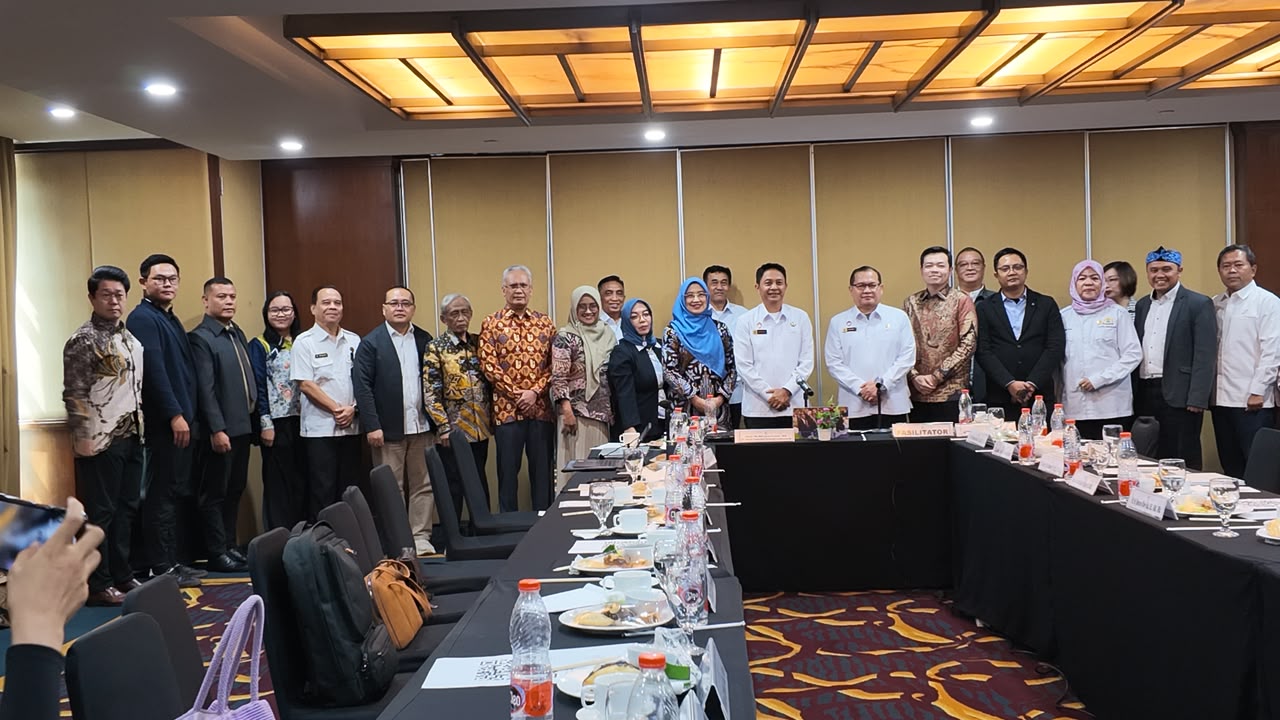
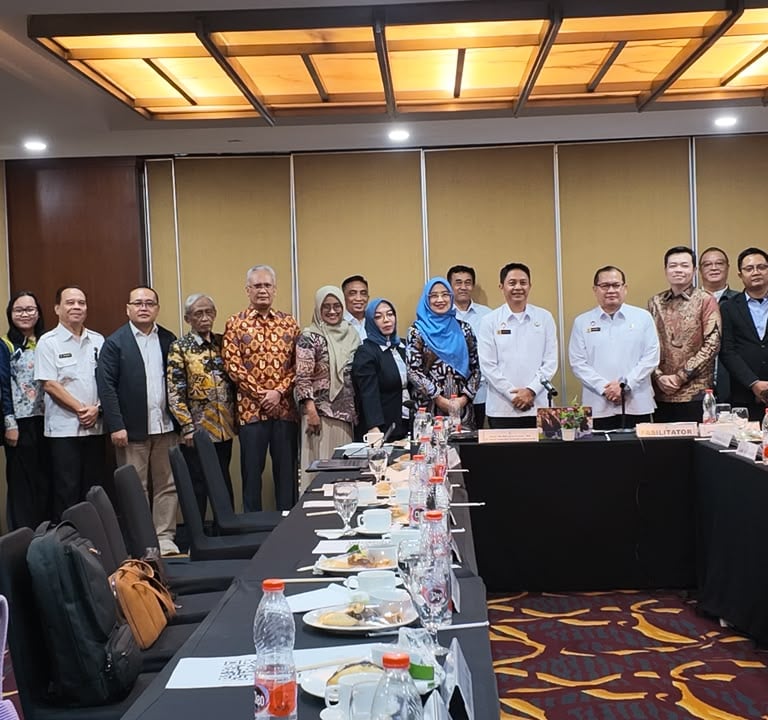
Lembaga Ketahanan Nasional Republik Indonesia (Lemhannas RI) invited Ir. Dzikri Firmansyah Hakam, S.T., Pg.Dip., M.Sc., Ph.D., an economist, faculty member at the School of Business and Management, Institut Teknologi Bandung (SBM ITB), also Executive Director of the Institute for Energy, Economics, and Finance (IEEF), as a speaker in a Focus Group Discussion (FGD) titled “Penguatan Pertumbuhan Ekonomi yang Berkualitas untuk Mewujudkan Keadilan dan Pemerataan Kesejahteraan Rakyat.”
The discussion was held on Wednesday, June 24, 2026, in Bandung, as part of the preparation of policy recommendations for the 2026 Long-Term Strategic Study. The forum provided a space to discuss how Indonesia’s economic growth can be directed not only toward stronger macroeconomic performance, but also toward more meaningful outcomes for society.
In the forum, Dzikri explained that quality economic growth should be assessed by its real impact on people’s daily lives. Growth should not be measured only through output, investment, or other macroeconomic indicators. It should also be reflected in productive jobs, stronger purchasing power, wider economic opportunities, and more equal welfare outcomes.
He also emphasized the important role of universities in supporting regional and national economic development. Universities should not only function as centers of education and research, but also as strategic partners for government and industry in developing evidence-based, relevant, and practical solutions to development challenges.
Through the triple-helix approach, which connects government, industry, and universities, research and innovation can be translated more effectively into policies, programs, products, and business models that generate direct benefits for society. This collaboration is essential to support structural transformation, improve productivity, expand employment opportunities, and strengthen regional competitiveness.
In the context of West Java, universities hold a strategic position because they are closely connected to industrial centers, innovation ecosystems, and regional development needs. With relevant research and stronger cross-sector collaboration, universities can help accelerate the development of higher-value sectors, improve human capital, and open broader economic opportunities for the public.
Dzikri conveyed that economic development should not be judged only by higher growth figures. Truly quality growth is growth that creates economic security, expands decent employment, protects purchasing power, reduces inequality, and enables people to live more prosperous lives.
Through his participation in the Lemhannas RI FGD, Dzikri encouraged the importance of economic policies that are evidence-based, collaborative, and focused on tangible benefits for society. Ultimately, economic growth should not only look strong on paper, but also improve people’s quality of life and broaden public welfare.
Copyright ©2025 IEEF all right reserved.
Empowering Sustainable Growth with Economic and Financial Insight
Jl. Ganesa Lb. Siliwangi, Kecamatan Coblong, Kota Bandung, Jawa Barat.


ieef@ieef.or.id