KOMDIGI, IEEF, and SBM ITB Discuss the Development of Indonesia’s Green Technology Industry
"Green Technology and Electric Vehicles in Indonesia’s Energy Transition and Economic Transformation"
Press Release
Bandung, West Java, February 2, 2026
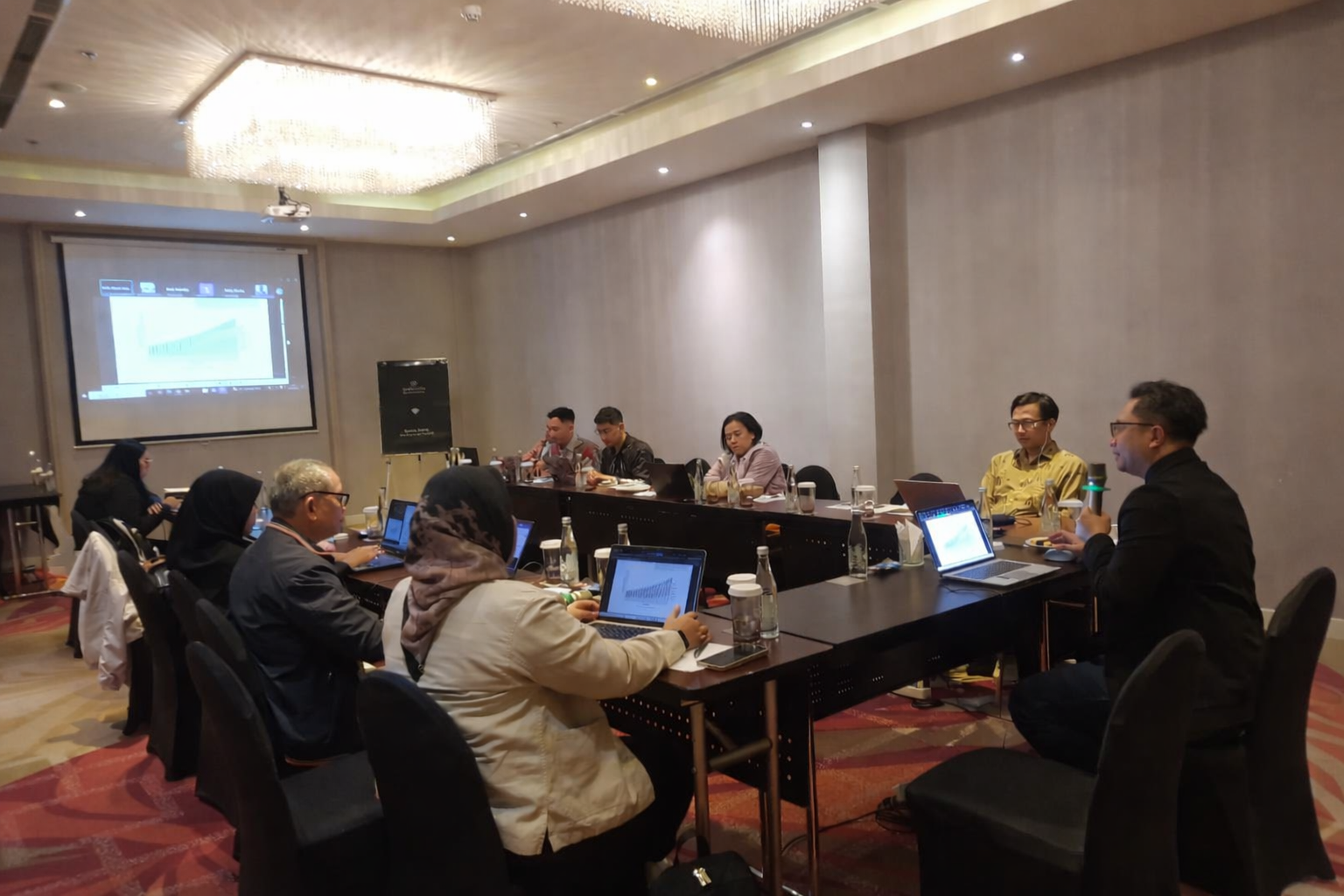
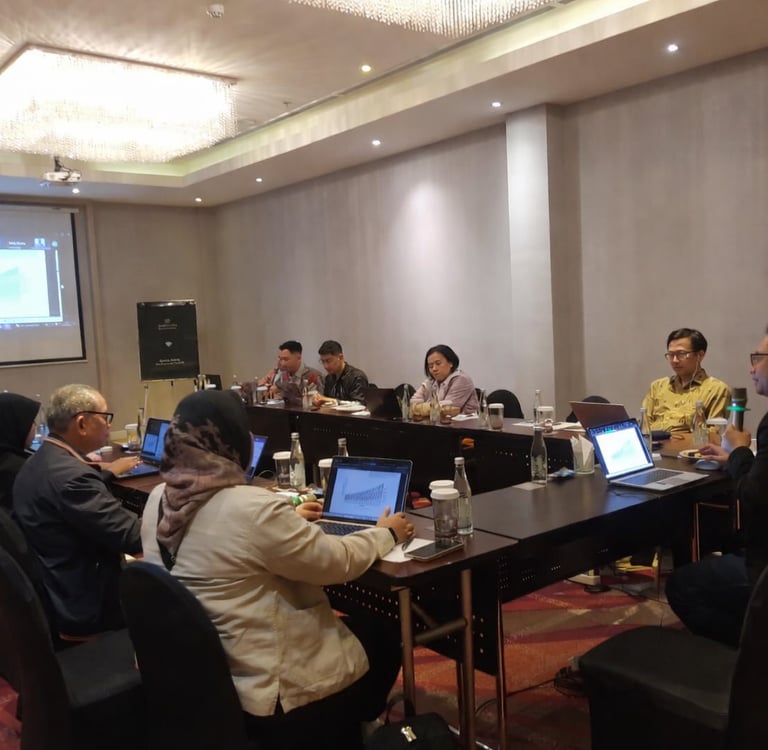
The Ministry of Communication and Digital Affairs of the Republic of Indonesia (KOMDIGI), through the Directorate General of Digital Ecosystem, convened a Policy Dialogue on the Development of Green Technology Industry on February 2, 2026, held in Bandung, West Java. The forum was organized as part of an analytical initiative to facilitate the adoption of green technology–based digital solutions in support of Indonesia’s economic and energy transition agenda.
The policy dialogue brought together the Institute for Energy, Economics & Finance (IEEF) and the School of Business and Management, Institut Teknologi Bandung (SBM ITB) as academic and policy research partners. The discussion aimed to develop a comprehensive understanding of Indonesia’s green technology ecosystem, with a particular focus on electric vehicles (EVs), and to gather conceptual and policy-oriented inputs aligned with the 2025–2029 National Medium-Term Development Plan (RPJMN).
During the session, Ir. Dzikri Firmansyah Hakam, S.T., Pg.Dip., M.Sc., Ph.D., Executive Director of IEEF, served as a resource person, alongside Ir. Lucia Diawati, Ph.D. (ITB). The discussion covered the conceptual framework of green technology, the current landscape of Indonesia’s green technology industry, challenges in ecosystem development, and the role of electric vehicles in advancing decarbonization, energy efficiency, and industrial transformation.
The forum highlighted electric vehicles as a priority use case within Indonesia’s green technology agenda. While available data indicate a high level of user satisfaction with EV adoption, the discussion identified persistent structural challenges, including infrastructure readiness, upfront investment costs, and the need for better alignment between energy policies and market instruments. As such, the development of green technology was discussed not only as a technological issue, but also as a broader industrial, regulatory, and market development agenda.
In line with the forum’s Terms of Reference, the discussion focused on four key areas:
(1) mapping the national green technology ecosystem and industry landscape;
(2) identifying relevant green technology business models suitable for the Indonesian context;
(3) facilitating green technology–based startups and innovation from early-stage development to scale-up; and
(4) determining priority use cases and sectors with high potential impact at both national and subnational levels.
According to Ir. Dzikri Firmansyah Hakam, Ph.D., the development of green technology should be positioned as part of Indonesia’s long-term economic competitiveness strategy. “Green technology should not be viewed solely as an environmental instrument, but also as an enabler of new economic value creation, industrial development, and national energy resilience,” he stated during the discussion.
Through this policy dialogue, KOMDIGI, IEEF, and SBM ITB reaffirmed the importance of collaboration between government, academia, and policy research institutions in shaping a structured and credible green technology ecosystem. The outcomes of the discussion are expected to contribute to future policy recommendations and strategic frameworks for strengthening Indonesia’s green technology industry.
Copyright ©2025 IEEF all right reserved.
Empowering Sustainable Growth with Economic and Financial Insight
Jl. Ganesa Lb. Siliwangi, Kecamatan Coblong, Kota Bandung, Jawa Barat.


ieef@ieef.or.id